São Paulo, July, 2026. New regulations in Chile, Colombia and, most recently, Brazil are introducing mandatory recycling and extended producer responsibility targets, reshaping the economics of the plastics industry across the region. In Chile, Recupac, part of the Coipsa Group, demonstrates how advanced technology, process control and strategic partnerships can transform post-consumer plastic waste into high-quality recycled raw materials.
The Latin American plastics recycling industry is undergoing a major transformation, driven by a structural shift: the growing number of regulations requiring manufacturers and importers to return the plastic they place on the market back into the production cycle. In October 2025, Brazil enacted Decree No. 12,688/2025, regulating the reverse logistics of plastic packaging and establishing two key targets: a recovery rate, measuring the collection and proper treatment of plastic packaging, and a recycled content index, introducing a mandatory minimum recycled content of 22% from 2026 onwards, with non-compliance subject to fines of up to BRL 50 million.
Brazil is following a path already established by its neighboring countries. Since 2016, Chile has enforced the REP Law (Law No. 20,920), targeting a 32% plastic recovery rate by 2026, while Colombia adopted Law 2232 in 2022, requiring PET bottles to contain a minimum of 50% recycled content, increasing to 90% by 2030. The regional trend is clear: increasingly ambitious recycling targets and legally driven demand for recycled materials are creating new opportunities for companies such as Chile's Recupac and technology partners like Lindner Washtech.
From Waste Management to Material
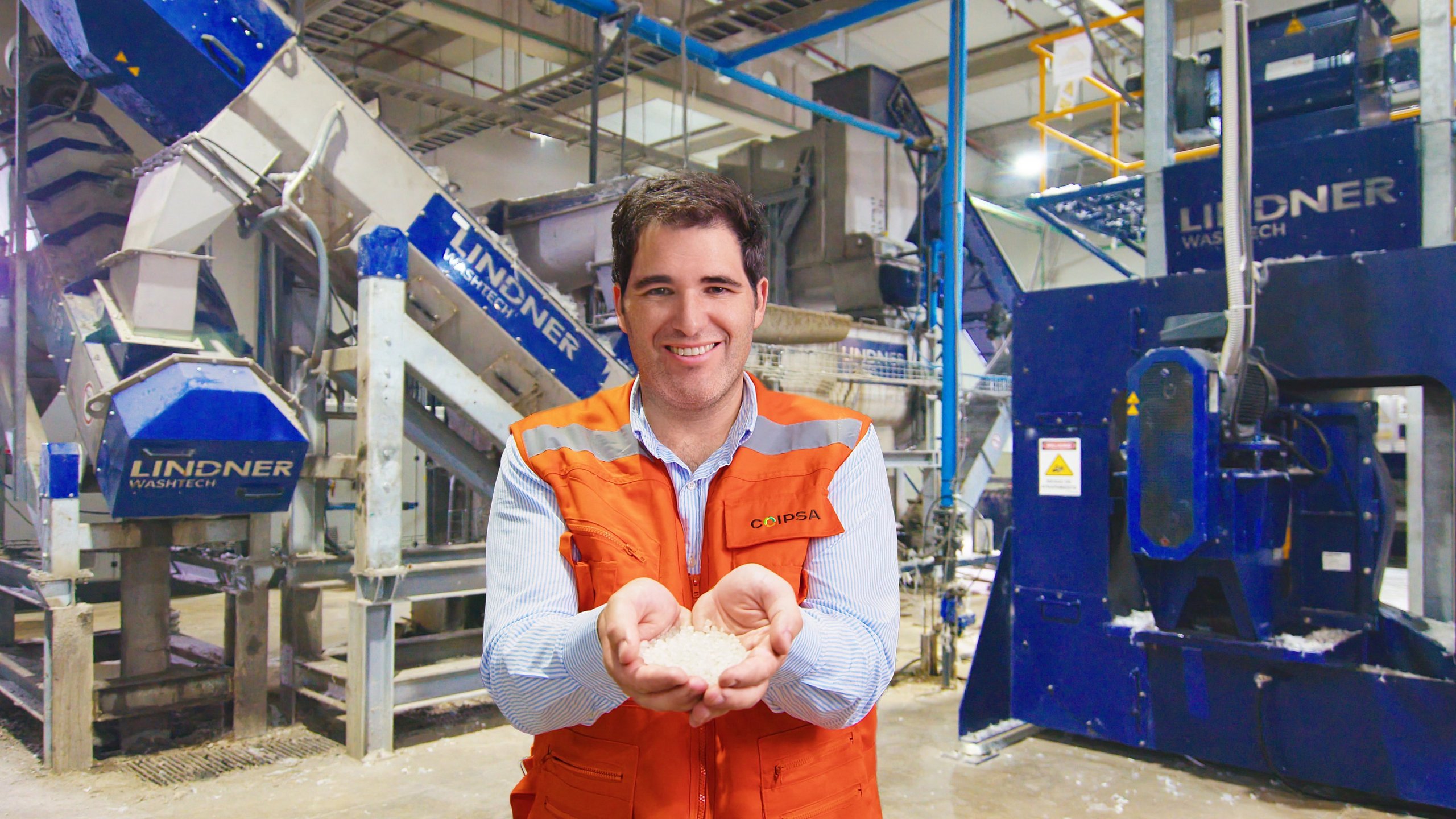
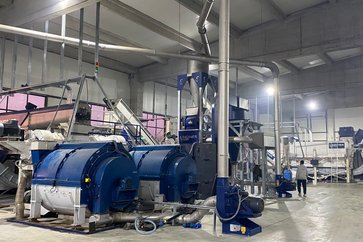
Recupac, the waste management division of the Coipsa Group, has spent more than 35 years building its role in Chile's circular economy. The company serves approximately 500 customers and manages more than 150,000 tonnes of waste annually. Its latest milestone is its LDPE recycling facility in San Bernardo, with a production capacity of 500 tonnes per month, where recycled pellets already replace approximately 40% of the virgin resin used in new plastic film production.
"At Recupac, we play a well-defined role within Chile's circular economy by helping our customers become more competitive through integrated waste management focused on maximizing material value with full traceability and a circular approach," explains Macarena Hadad, Business Development Deputy Manager at Recupac. According to her, the LDPE project emerged from the realization that simply managing this material was no longer enough. “We saw an opportunity to go one step further by transforming it into a new recycled raw material capable of re-entering manufacturing processes.”
The Key to Consistent, High-Quality Recycled
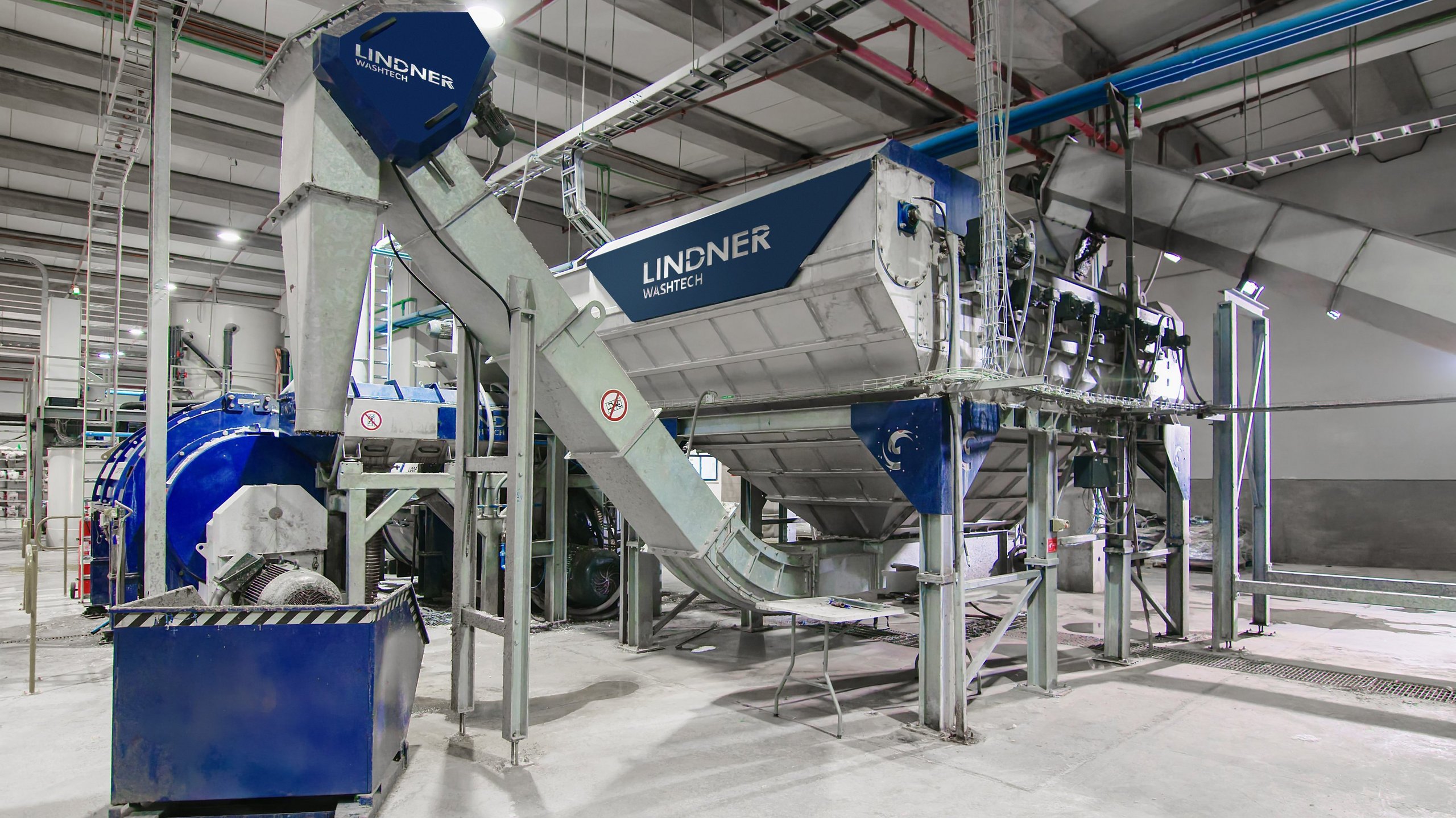
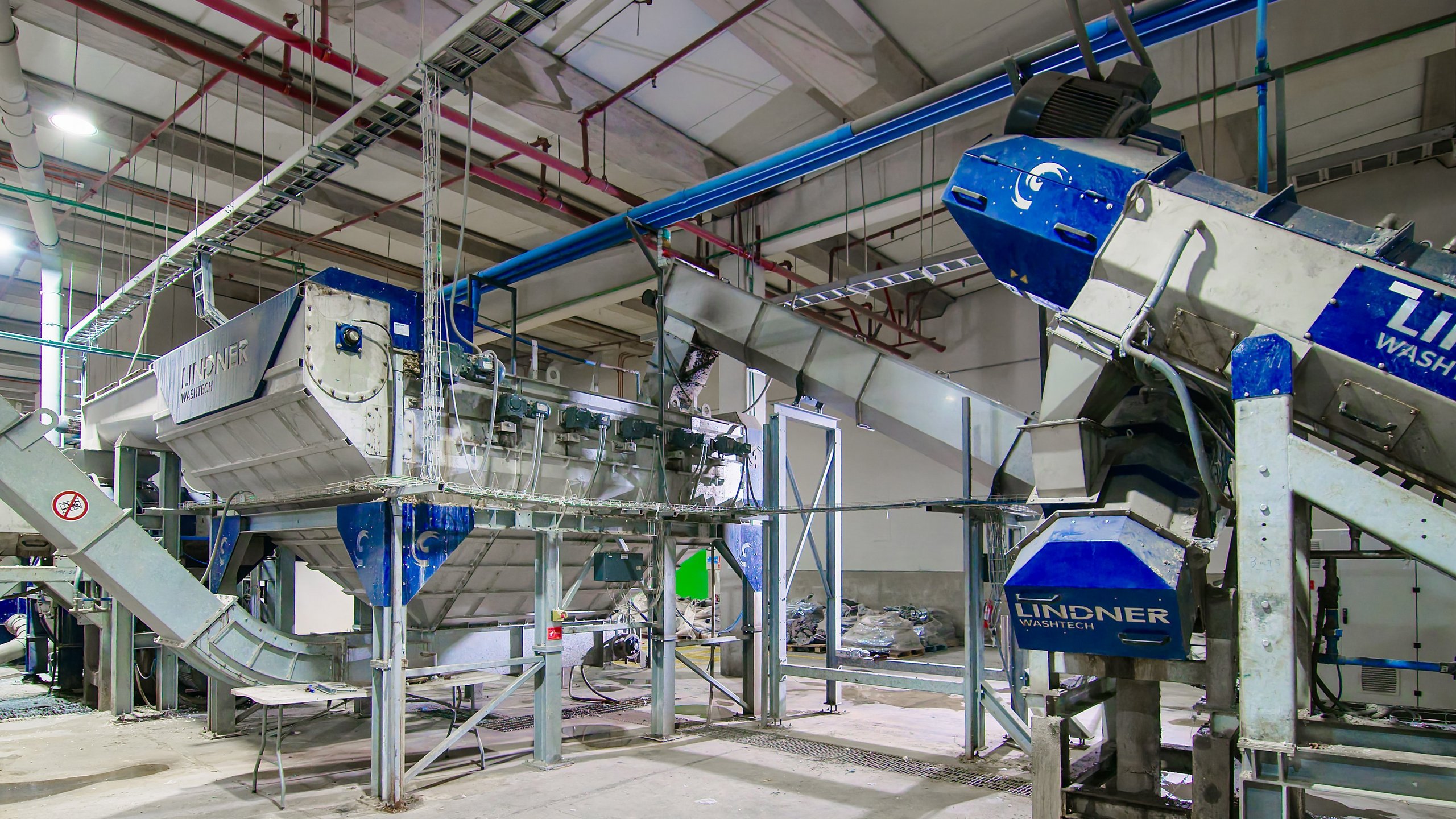
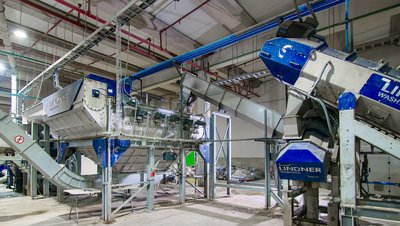
Transforming post-consumer plastics -heterogeneous, contaminated materials from highly variable sources -into consistently high-quality recycled pellets requires rigorous process control at every stage: from collecting materials directly from customers, through sorting and baling operations, to secondary quality inspection and the recycling line itself, including shredding, washing, drying and extrusion.